
1.00496

Formaldehyde solution 4%, buffered, pH 6.9
(approx. 10% Formalin solution) for histology
Synonym(s):
Formaline solution, Methanal solution, Methyl aldehyde solution
Select a Size
About This Item
Product Name
Formaldehyde solution 4%, buffered, pH 6.9, (approx. 10% Formalin solution) for histology
form
liquid
IVD
for in vitro diagnostic use
concentration
3.8-4.2% (acidimetric)
color
colorless
pH
6.7-7.1 ( in H2O)
bp
100 °C/1013 hPa
mp
-92 °C
density
1.017 g/cm3 at 20 °C
application(s)
diagnostic assay manufacturing
hematology
histology
storage temp.
15-25°C
Quality Level
General description

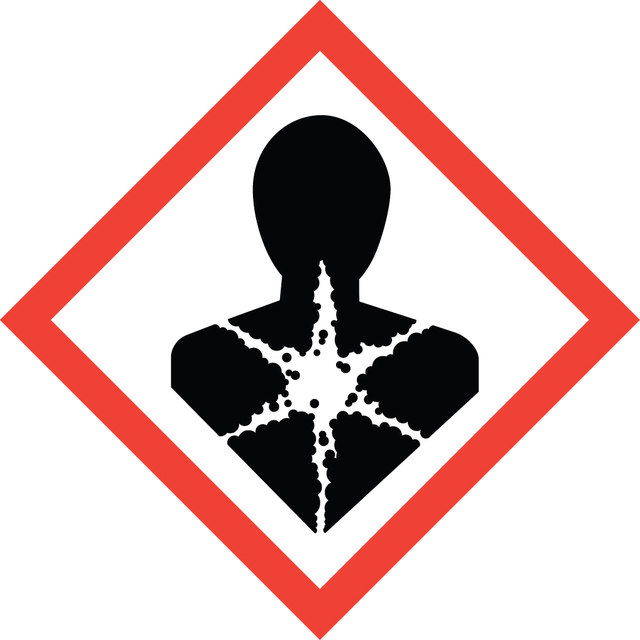
signalword
Danger
Hazard Classifications
Acute Tox. 4 Inhalation - Acute Tox. 4 Oral - Carc. 1B - Muta. 2 - Skin Sens. 1
Storage Class
6.1D - Non-combustible, acute toxic Cat.3 / toxic hazardous materials or hazardous materials causing chronic effects
wgk
WGK 3
flash_point_f
Not applicable
flash_point_c
Not applicable
Regulatory Listings
Regulatory Listings are mainly provided for chemical products. Only limited information can be provided here for non-chemical products. No entry means none of the components are listed. It is the user’s obligation to ensure the safe and legal use of the product.
Deleterious substance
pdsc
Substances Subject to be Indicated Names
ishl_indicated
Substances Subject to be Notified Names
ishl_notified
Certificates of Analysis (COA)
Search for Certificates of Analysis (COA) by entering the products Lot/Batch Number. Lot and Batch Numbers can be found on a product’s label following the words ‘Lot’ or ‘Batch’.
Already Own This Product?
Find documentation for the products that you have recently purchased in the Document Library.
Protocols
How to stain organoids? A complete step-by-step protocol for immunofluorescent (IF) and immunocytochemical (ICC) staining of organoid cultures using antibodies
TrueGel3D® Hydrogel Plate protocol guides high-throughput culture of human adipose MSCs for screening applications.
Cultivate ReNcell® human neural stem cells in 3D hydrogels for high-throughput screening using the TrueGel3D® HTS Hydrogel Plate with this protocol.
Related Content
Learn about the criticality of biological tissue staining for research and clinical pathology using standard and special stains and dyes.
標準および特殊な染色法および色素を用いた、研究および臨床病理検査用の生物学的組織の染色の重要性についてご紹介します。
Global Trade Item Number
| SKU | GTIN |
|---|---|
| 1.00496.5000 | 04022536702315 |
Our team of scientists has experience in all areas of research including Life Science, Material Science, Chemical Synthesis, Chromatography, Analytical and many others.
Contact Technical Service